- English
- French
- German
- Portuguese
- Spanish
- Russian
- Japanese
- Korean
- Arabic
- Greek
- German
- Turkish
- Italian
- Danish
- Romanian
- Indonesian
- Czech
- Afrikaans
- Swedish
- Polish
- Basque
- Catalan
- Esperanto
- Hindi
- Lao
- Albanian
- Amharic
- Armenian
- Azerbaijani
- Belarusian
- Bengali
- Bosnian
- Bulgarian
- Cebuano
- Chichewa
- Corsican
- Croatian
- Dutch
- Estonian
- Filipino
- Finnish
- Frisian
- Galician
- Georgian
- Gujarati
- Haitian
- Hausa
- Hawaiian
- Hebrew
- Hmong
- Hungarian
- Icelandic
- Igbo
- Javanese
- Kannada
- Kazakh
- Khmer
- Kurdish
- Kyrgyz
- Latin
- Latvian
- Lithuanian
- Luxembou..
- Macedonian
- Malagasy
- Malay
- Malayalam
- Maltese
- Maori
- Marathi
- Mongolian
- Burmese
- Nepali
- Norwegian
- Pashto
- Persian
- Punjabi
- Serbian
- Sesotho
- Sinhala
- Slovak
- Slovenian
- Somali
- Samoan
- Scots Gaelic
- Shona
- Sindhi
- Sundanese
- Swahili
- Tajik
- Tamil
- Telugu
- Thai
- Ukrainian
- Urdu
- Uzbek
- Vietnamese
- Welsh
- Xhosa
- Yiddish
- Yoruba
- Zulu
Everything You Need To Know About EMV Card Issuance
The whole process that banks use to make, customize, and hand out chip-enabled payment cards that meet global security standards is called emv card issuance. This system covers the whole lifecycle, from handling the initial application to making the actual card, handing it out, and activating it for the cardholder. Chip-based cards are different from magnetic stripe cards because they offer dynamic identification that stops fake cards and transactions that aren't allowed. Knowing how this process works helps banks, fintech companies, and payment service providers pick the right technology to meet regulatory needs and give their users safe payment options quickly.
Understanding EMV Card Issuance: Definition, Process, and Technology
What Exactly Is EMV Technology?
Europay, MasterCard, and Visa came up with the idea for this chip card standard, which is what EMV stands for. The technology changed the security of payments from static magnetic stripes to smart integrated circuit chips that can do secret math. These chips safely store user information and make unique transaction codes that can't be used again. This makes cloning almost impossible. These standards are now managed by the EMVCo organization, which makes sure that millions of payment systems around the world can work with each other.
The Evolution from Magnetic Stripe to Chip Cards
Magnetic stripe cards were the most popular way to pay for things for decades, but they had a major flaw: they could only store static data. Criminals could easily make fake cards by copying information from the stripe. The business world needed a way to automatically verify both the card and the transaction. This problem was solved by chip technology, which built in microprocessors that run security routines during every operation. This change made card-present theft much less common in markets that accepted EMV standards. This led to rules being made mandatory in North America, Europe, and Asia.
Types of EMV Cards and Their Applications
Modern chip cards come in three configurations, each serving specific operational needs:
Contact Cards need to be put into a terminal slot by hand. The chip is connected to metal contact plates on the card. These cards always work in places with a high level of security where verifying transactions takes precedence over speed. For business accounts or markets with already-built-in terminals, banks often use contact-only cards.
Contactless Cards When you hold a contactless card up to a reader, the antenna inside the card talks through radio waves. Because transactions are finished in less than 300 milliseconds, they are perfect for places like subways, fast food joints, and stores where getting customers quickly is important. The method follows the rules for near-field transmission set by ISO/IEC 14443.
Dual-Interface Cards In a single card base, Dual-Interface Cards have both touch and contactless functions. This combined method increases acceptance the most in a wide range of payment settings. Customers can tap to make small purchases or enter their PIN for bigger transactions that need to be verified. More and more, banks are making dual-interface cards their normal product because they make it easier for customers to pay in the future.
The Technical Process Behind Card Production
When a customer's application is approved, the item is sent out. In a Hardware Security Module (HSM), the system creates unique account settings and cryptography keys. This safe space makes sure that private information is never shown in plain text while personalization is going on.
Then, production sites get customization files that are encrypted and contain the names, account numbers, expiration dates, and chip application data of cardholders. The chip is put into the card body using special tools that make electrical links and store secured data on the chip's memory. For contactless cards, there is one more step where the chip is bonded to an antenna circuit that is built into the card layers.
Each EMV card issuance is checked by quality control for its electrical profile, cryptographic integrity, and physical longevity. Cards must be able to handle being bent many times, being exposed to high temperatures, and being mechanically stressed while still having chips that work. Only cards that pass these strict tests move on to personalization, where printing equipment adds information about the user that can be seen. Finally, the cards are packaged and quality checked one last time.
Benefits and Compliance of EMV Card Issuance for B2B Clients
Enhanced Security That Reduces Fraud Exposure
Through dynamic data identification, chip technology cuts down on scams in a way that can be measured. A new cryptogram is made for each transaction, so it can't be stolen and used again. Criminals can't copy chip info even if they break into a computer, so counterfeiting goes down a lot. This protection is built into Wisecard Technology's platform at every step, from making the key to activating the user.
Banks say that scam costs have gone down a lot since EMV went live. This safety goes beyond the giving bank; merchants and payment processors also gain from fewer chargebacks. The shared security model makes the whole payment system stronger, which boosts consumer trust and leads to more card use.
Global Interoperability Standards
EMVCo standards make sure that cards issued in one place can be used at machines all over the world without any problems. This interoperability is very important for companies that do business across borders or banking institutions that serve customers who move abroad. Payment service companies that want to grow into new markets need card programs that meet the rules in those new markets while still being accepted around the world.
Standard compliance also makes choices about buying easier. When buying things, purchasing managers can make sure that all sellers are EMVCo certified. This way, they can be sure that approved solutions will work with their current payment systems. This standardization cuts down on technical risk during implementation and speeds up the time it takes to launch.
Critical Compliance Frameworks
EMVCo Certification makes sure that card readers, identification systems, and terminals all work with each other. Before card schemes will let cards have their brand marks on them, they need this approval. Cards can't be used in world payment networks without it.
PCI DSS Standards tell businesses how to handle user data during the entire process of issuing cards and handling payments. Companies that make personalized cards need to get PCI Card Production (PCI-CP) approval, which shows that they have physical and logical security rules in place to keep private data safe. Wisecard Technology builds PCI compliance into our design, which makes it easier for clients to get ready for audits.
ISO/IEC Standards spell out how payment cards should look, how they should communicate with chips, and how they should be tested. ISO/IEC 14443 talks about technology that doesn't need touch, while ISO/IEC 7816 talks about chips that do. Adherence makes sure that cards work consistently in a variety of working settings and stay durable over the course of their lifetime.
Addressing Common Implementation Challenges
For many groups, the biggest problem is integrating their technology. Core banking systems that are too old may not have current APIs, so they need special middleware development. This is taken care of by Wisecard's adaptable integration methods, which include RESTful APIs for new platforms, file-based interfaces for well-known systems, and direct database links when needed. Our execution team has worked with a lot of card management systems, which has given them a lot of experience that speeds up the merging process.
Regulatory compliance gets harder when you do business in more than one country. Different markets have different rules about where data can live, how keys can be managed, and how audit trails can be kept. Our modular design lets clients set up compliance controls that meet the needs of each area without having to rebuild the core infrastructure.
Operational flexibility is important for businesses that want to grow. Today, a system that handles 1,000 daily issues might have to handle 10,000 tomorrow. Because Wisecard's platform is horizontally scalable, you can add more processing power by adding more computers instead of replacing the hardware that you already have. This method protects investments in technology while allowing the business to grow.
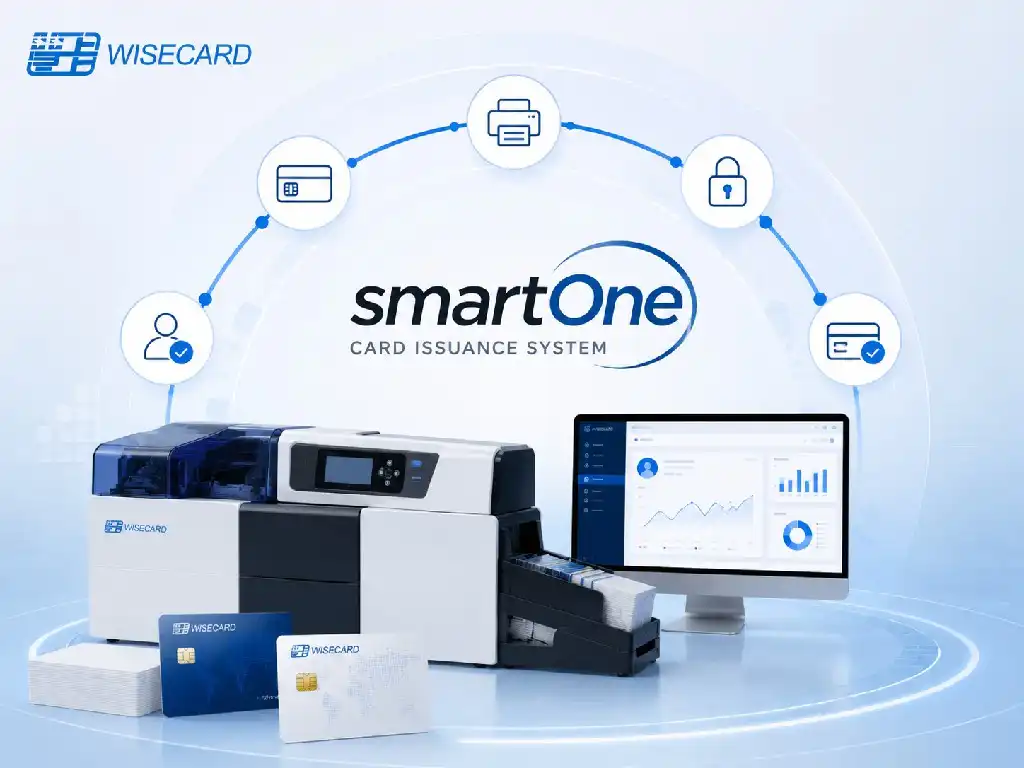
How to Procure EMV Cards: Bulk Ordering and Contract Essentials?
Understanding Bulk Ordering Dynamics
Minimum order amounts are different for each vendor and way of production. Most of the time, central issuance centers need at least 5,000 to 10,000 cards per order to support setting up production. For instant EMV card issuance operations, you need to buy blank card stock in smaller amounts and buy PC personalization equipment up front.
Lead times and prices are greatly affected by the need for customization. In a few weeks, you'll get basic white cards with standard writing. Production times are extended to 8–12 weeks for cards with unique colors, holographic overlays, metal structure, or specific chip uses. Planning ahead keeps program launches from being delayed.
Planning for lead times should include several steps, such as getting approval on the design, making the personalization file, making the product, testing its quality, and arranging for delivery. When shipping internationally, clearing customs takes longer. Including extra time in project plans for unplanned delays keeps launch promises from being broken.
Essential Contract Terms and Protections
Payment plans should make it clear what kind of deposit is needed, when payments are due, and how the final balance is to be paid. Check to see if the price includes everything, like card bodies, chips, customizing, printing, and packing, or if each part is charged for separately. Knowing how all the costs work together keeps budget shocks at bay.
Delivery schedules need ways to be enforced that look out for your best interests. Contracts should spell out fines for late deliveries, especially for program starts that need to happen quickly. Make sure that sellers keep enough production capacity and backup sites to keep their promises, even if equipment breaks down or demand goes up.
Acceptance standards and defect rate tolerances are set by quality assurance terms. Describe how to test, how to pick samples, and what to do when a card fails to meet the requirements. Clear quality standards keep you from getting low-quality goods that hurt the image of your brand or cause problems with how they work.
The warranty should cover more than just physical problems. It should also cover chip functions and the accuracy of personalization data. Most warranties last between 12 and 24 months from the date of creation. Find out how to file a claim, how long it takes to get a replacement, and whether policies cover cards that have already been sent to users.
Supplier Vetting and Due Diligence
Verification of certification gives a basic idea of how well a seller can do their job. Ask for copies of your ISO quality management certificates, EMVCo certifications, and PCI-CP attestations. Make sure that the certifications are still valid and cover the services you want to buy.
Facility checks show ways of doing things that can't be seen in paperwork alone. Visiting the site lets you check out the safety measures, the quality of the work, the care of the tools, and the knowledge of the staff. Pay attention to backup systems, the ability to rebound from disasters, and the amount of extra space that can be used.
When you check references with past clients, you can find out about performance that goes beyond what the marketing says. Ask references about the quality of implementation support, how quickly problems were fixed, how reliable the system was, and whether the provider provided the features they said they would on time. Consistently positive feedback from multiple references shows that the possibility for a reliable relationship exists.
Planning for Smooth Implementation
Planning for integration starts a long time before cards are made. You should hold technical meetings with your provider to map out how data moves, define file types, set up security protocols, and come up with ways to handle errors. Carefully write down integration requirements to make sure everyone knows what to expect and to guide development work.
Training programs make sure that your employees know how to use the issue tool correctly. System managers, management staff, and help desk staff should all get training that is specific to their jobs from vendors. Before going live, hands-on tasks in a test setting boost confidence.
Post-issuance management includes keeping an eye on system speed, putting in place security patches, keeping an eye on capacity, and making processes better. Set up service level agreements that spell out when help is available, how long it takes to respond, and how to contact higher-ups. Reviewing your business with your provider on a regular basis can help you find ways to save money and make plans for changing needs.
Conclusion
Dynamic authentication in EMV chip cards shields financial institutions and users from counterfeit scams. This has completely changed the security of payments. To execute the program successfully, you need to know about the full issue process, compliance structures, and practical factors that affect the program's success. When looking for a technology partner, it's important to look at their security certifications, ability to integrate, ability to grow, and quality of long-term assistance. The technology you choose affects how well your business runs, how safe it is, and how your customers feel. This is true whether you use central high-volume production or quick branch EMV card issuance. When businesses take the time to carefully plan, evaluate vendors, and get ready for implementation, they set themselves up for a smooth rollout of safe, compliant card systems that help their businesses grow.
FAQ
How do EMV cards provide better security than magnetic stripe cards?
Using secret methods, EMV chips make sure that each payment has its own unique transaction code. Criminals can copy and use the unchanging information on magnetic stripe cards. Thieves can't play back chip card data even if they steal it during a transaction because each code only works once. The chip also checks the validity of the computer, which stops hacked devices from getting data. Because of this dynamic verification design, it is not cost-effective to make fake chip cards like it is to make fake magnetic stripes.
What timeline should we expect for launching an EMV card program?
Initial development usually takes 12 to 20 weeks, but this depends on how complicated the system is and how much customizing is needed. The schedule includes the planning phase, the technical integration phase, setting up the production line for cards, testing rounds, and training for staff. Companies that have up-to-date core banking systems and standard needs finish projects more quickly. Integration of legacy systems or the need for a custom process causes delays. With Wisecard Technology's pre-configured parts and years of experience integrating them, clients can get to production faster than the average in the business.
Can we customize card appearance and features beyond standard designs?
Both the look and usefulness of cards can be changed in a lot of different ways. Customizable colors, printing patterns, customer photos, signature panels, and holographic security features are all examples of visual modification. Functional customization lets you put more than one app on a single chip, like a payment card with a reward program, transit access, or a key to get into a building. The chip's memory can hold complex settings for multiple applications. Vendors can help you find a balance between your visual tastes and the cost and ease of production.
What differentiates SDA, DDA, and CDA authentication methods?
Static Data Authentication (SDA) checks the accuracy of a card using digital signatures to provide basic security, but it can't stop more advanced card cloning. Dynamic Data Authentication (DDA) protects against cloning by making the chip do cryptography math that show it has the secret keys. Combined Data Authentication (CDA) is the safest method because it checks both the card's validity and the accuracy of the transaction data at the same time. These days, most systems use DDA or CDA because SDA-only cards aren't considered safe enough in developed markets.
Connect with Wisecard for Your EMV Card Issuance Solution
Wisecard Technology has more than 15 years of experience in banking payments and can help banks, payment processors, and system developers set up chip card programs that are safe and follow the rules. Our platform takes care of the whole lifecycle of cards, from handling applications to personalization, activation, and ongoing management. It supports both bulk and instant issue, and is accepted in more than 60 countries. We know the technical difficulties, government rules, and organizational problems you face during implementation because we are an experienced EMV card issuance provider.
With its flexible design, our system works well with other Card Management Systems and can be easily changed to fit your specific process needs. Contact our experts at inquiry@wisecardtech.com to talk about your unique needs and find out how our solutions can help you get to market faster while still meeting the highest security standards.
References
EMVCo. (2021). "EMV Integrated Circuit Card Specifications for Payment Systems: Book 1 – Application Independent ICC to Terminal Interface Requirements." EMVCo LLC Technical Documentation.
Payment Card Industry Security Standards Council. (2022). "PCI Card Production and Provisioning Logical Security Requirements v2.1." PCI Security Standards Council Official Guidelines.
Federal Reserve Bank of Atlanta. (2020). "The U.S. Migration to EMV Chip Cards: Fraud Prevention and Cardholder Experience." Federal Reserve Payment Research Series.
Murdoch, S. J., Drimer, S., Anderson, R., & Bond, M. (2019). "Chip and PIN is Broken: Security Analysis of EMV Payment Systems." Cambridge University Computer Laboratory Technical Report.
Smart Payment Association. (2023). "Global EMV Deployment Statistics and Market Analysis Report." Annual Industry Assessment Publication.
International Organization for Standardization. (2020). "ISO/IEC 7816: Identification Cards – Integrated Circuit Cards with Contacts, Parts 1-15." International Standard Technical Specifications.
Learn about our latest products and discounts through SMS or email
_1778741495975.webp)